A practical guide for engineers selecting the right casting process for custom industrial components.
Introduction
Water glass casting vs sand casting is a common comparison when engineers select the right steel casting process.
Water glass casting and sand casting are two widely used processes in steel casting manufacturing. Both methods are commonly applied in producing custom industrial components, but they differ in surface quality, dimensional accuracy, tooling cost and typical applications.
Choosing the right casting process can significantly impact the overall manufacturing cost and product performance. Engineers and sourcing managers often compare these two processes when selecting the best solution for their projects.
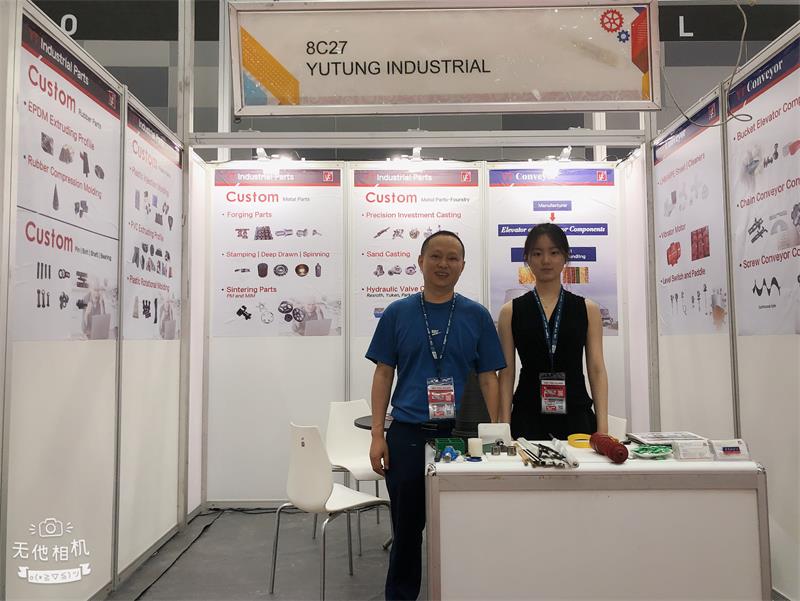
At Yutung Industrial, we manufacture a wide range of custom components using different casting technologies. You can also explore some of our recent projects here:
👉 https://www.ytcasting.com/project/
What is Water Glass Casting?
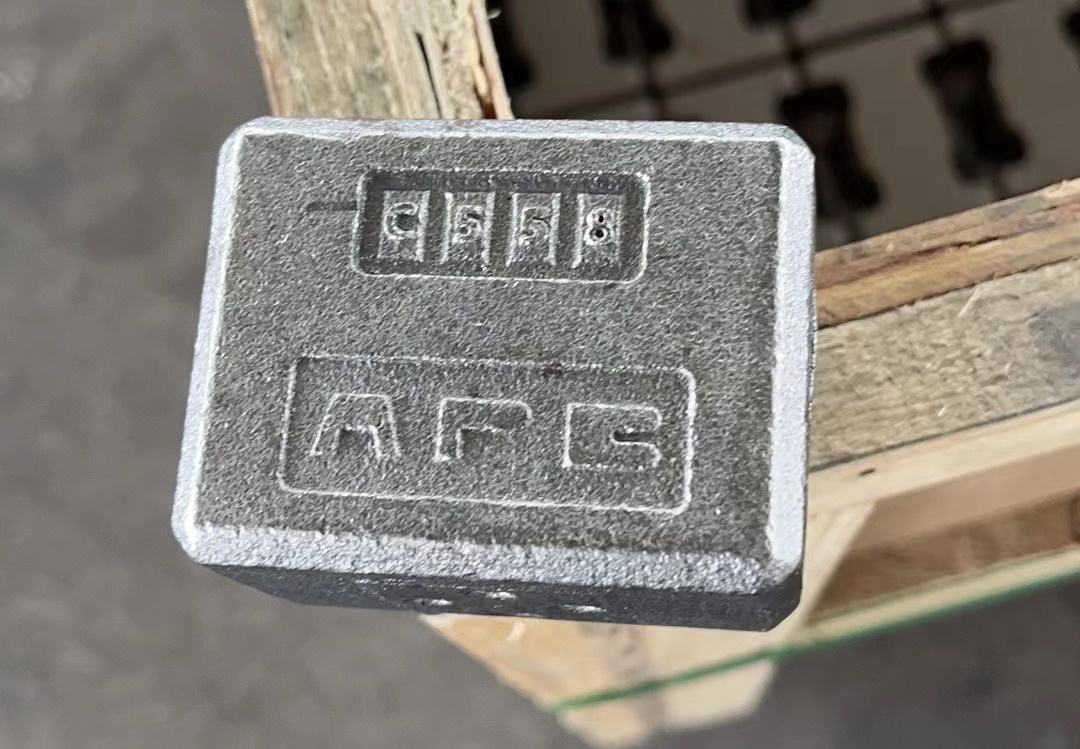
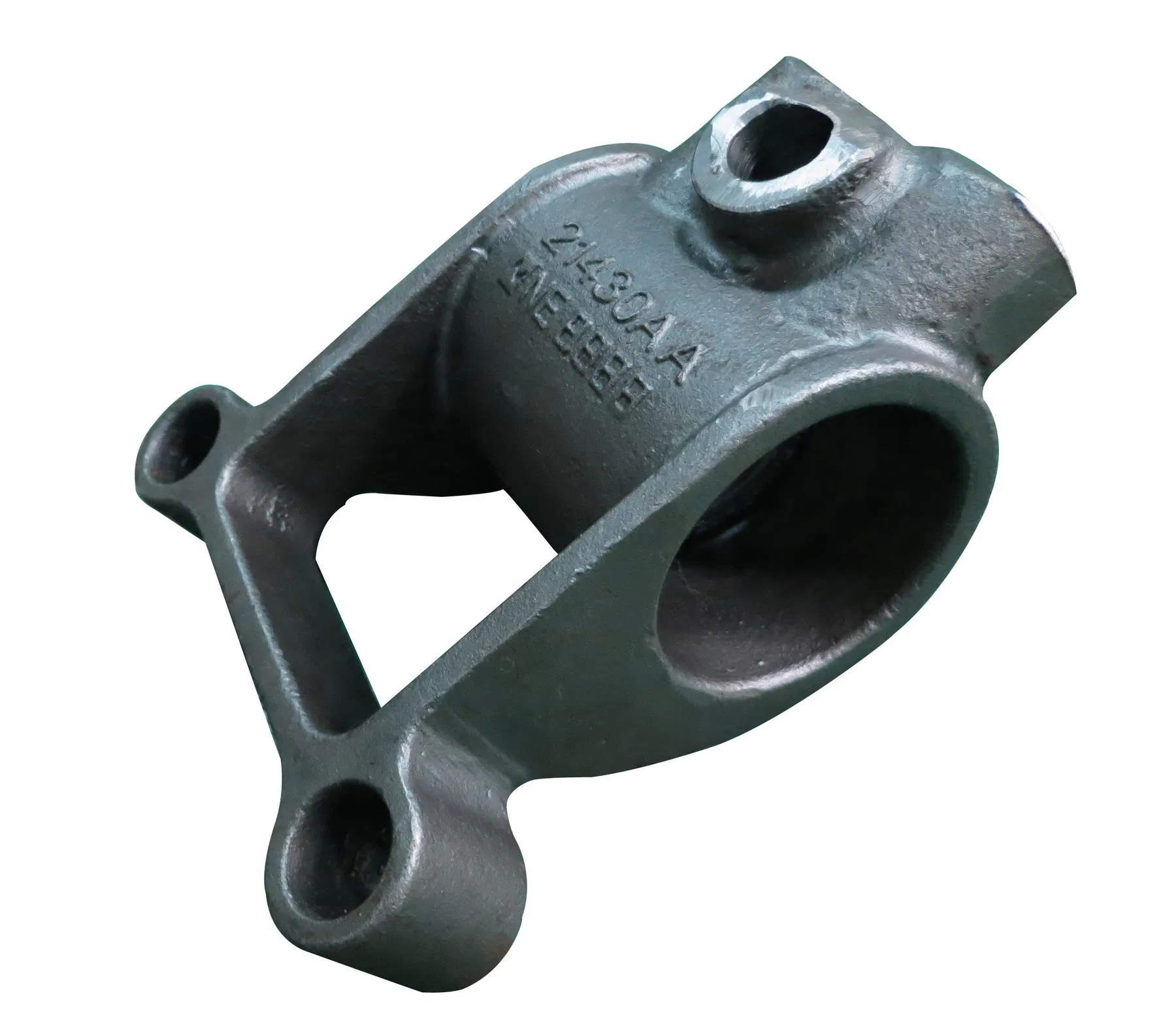
Water glass casting, also known as sodium silicate investment casting, is a casting process that uses water glass as a binder to create the mold shell.
Compared with traditional sand casting, this method provides better dimensional accuracy and smoother surface finish, making it suitable for medium-precision industrial components.
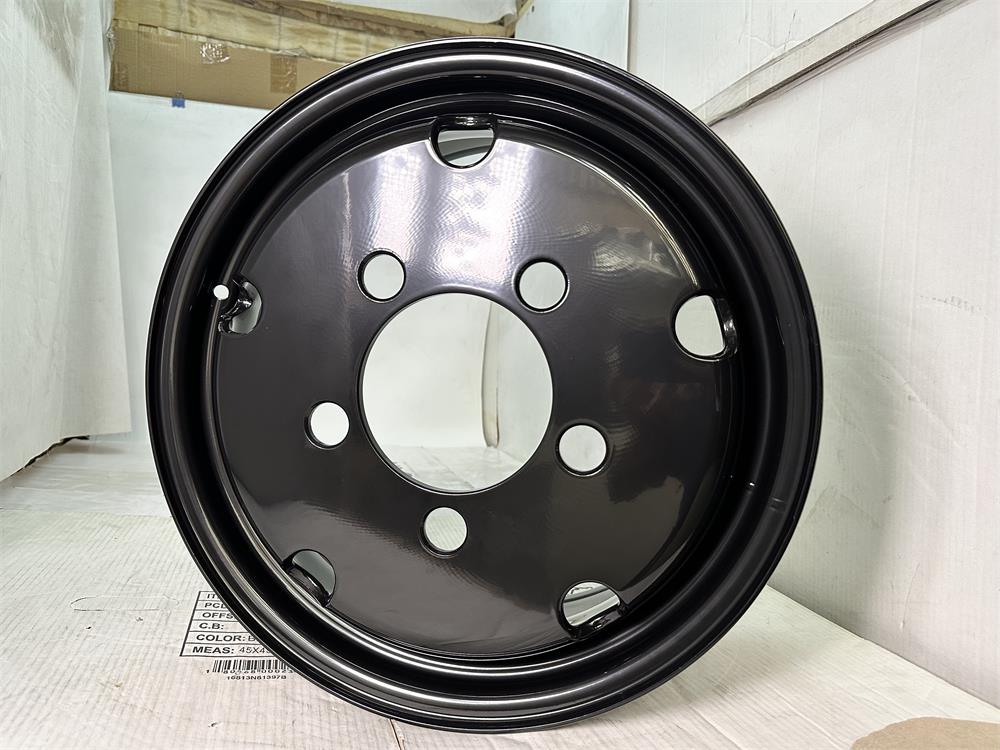
This process is widely used for producing carbon steel, alloy steel and stainless steel components used in machinery, automotive parts and industrial equipment.
Typical applications include:
- Machinery components
- Automotive aftermarket parts
- Valve bodies and pump housings
- Construction hardware
- Industrial mechanical parts
Advantages of Water Glass Casting
- Better surface finish
- Higher dimensional accuracy
- Suitable for medium batch production
You can see an example project here:
👉 https://www.ytcasting.com/project/custom-steering-box-mount-casting-for-automotive-aftermarket/
What is Sand Casting?
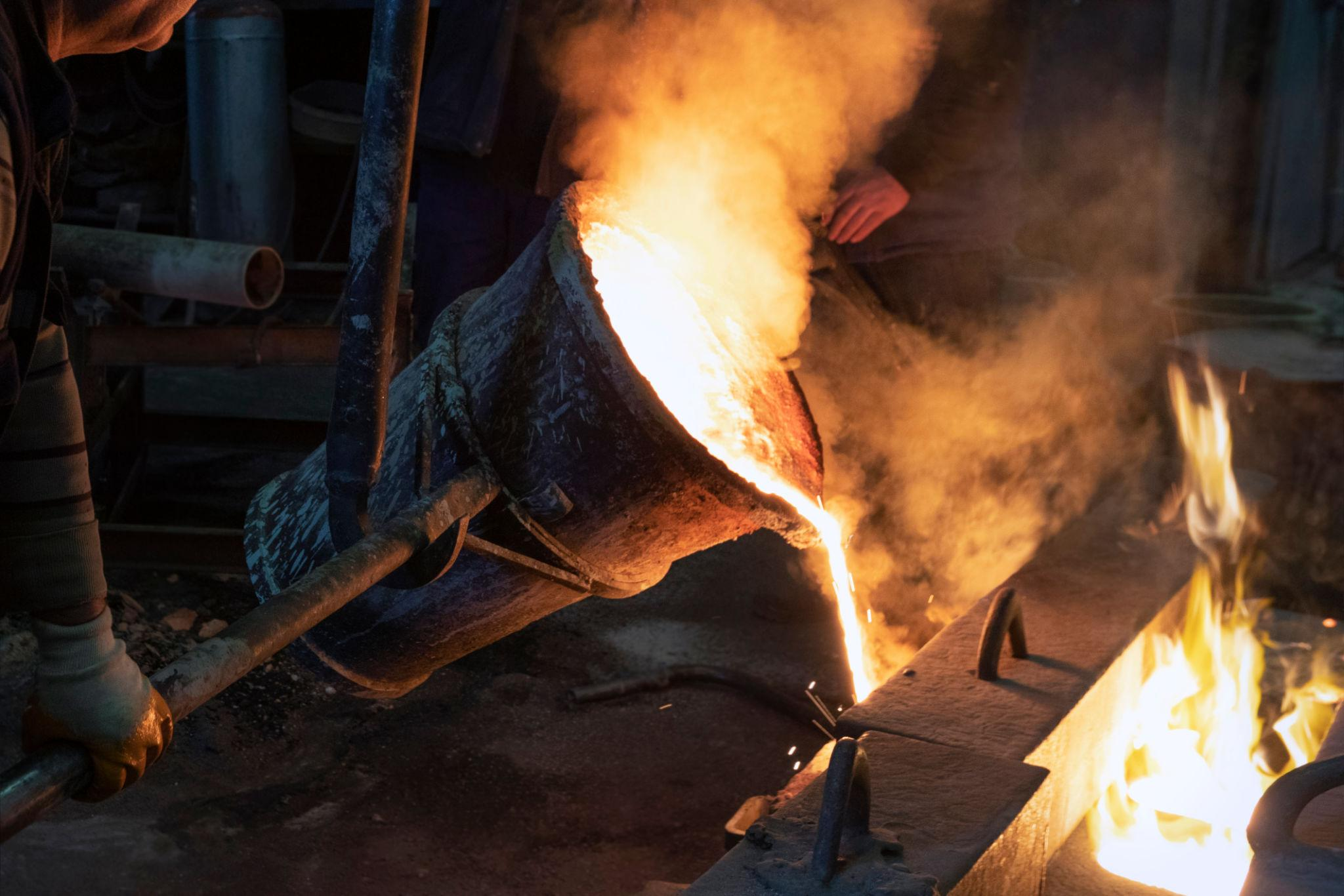
Sand casting is one of the oldest and most commonly used metal casting methods. In this process, a mold is created by compacting sand around a pattern to form a cavity into which molten metal is poured.
Because of its flexibility and low tooling cost, sand casting is widely used for large parts and low-volume production.
Key characteristics of sand casting include:
- Lower tooling cost
- Suitable for large castings
- Flexible production quantities
- Applicable to a wide range of metal alloys
Typical applications include:
- Large machinery components
- Engine blocks
- Pump housings
- Mining equipment parts
Water Glass Casting vs Sand Casting
| Factor | Water Glass Casting | Sand Casting |
|---|---|---|
| Surface Finish | Better | Rougher |
| Dimensional Accuracy | Higher | Lower |
| Tooling Cost | Moderate | Low |
| Part Size | Small to medium | Medium to large |
| Machining Requirement | Less machining required | More machining often needed |
| Typical Use | Precision industrial parts | Large heavy components |
When to Choose Water Glass Casting
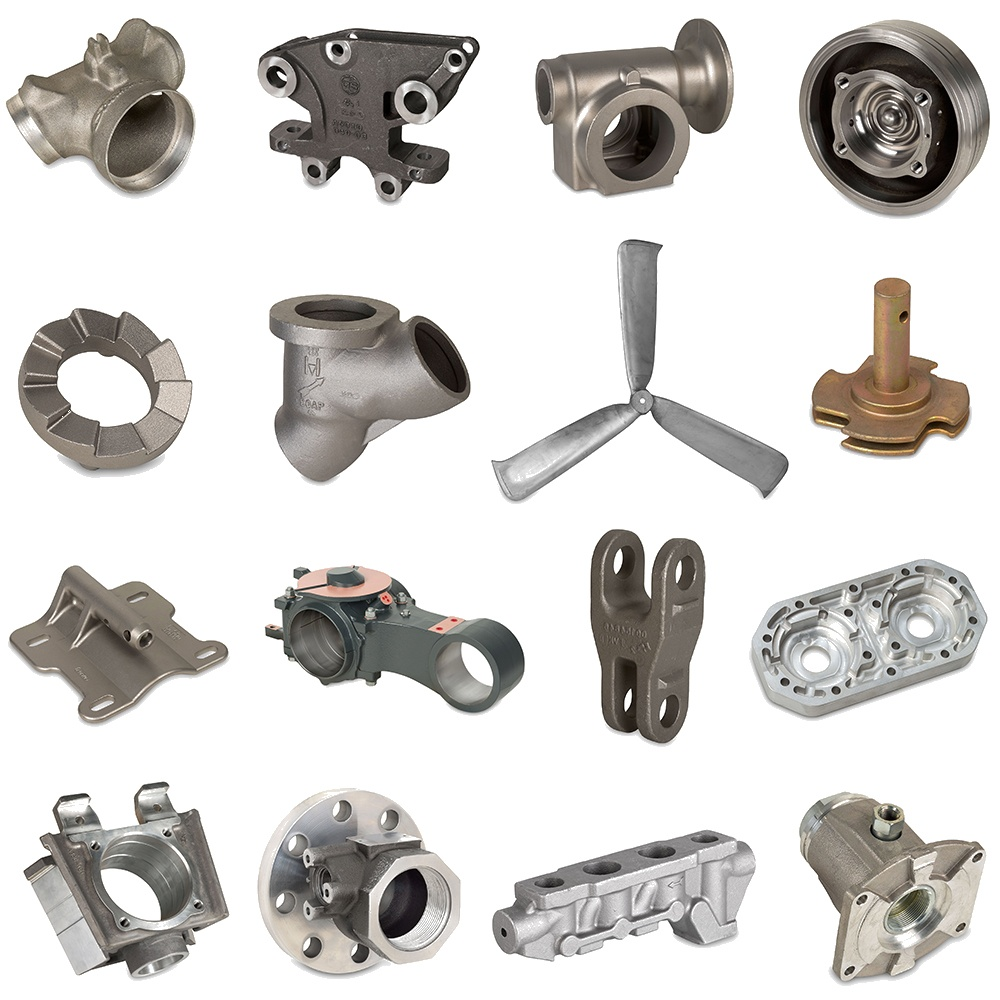
Water glass casting is often preferred when higher dimensional precision and better surface finish are required.
It is particularly suitable for:
- Medium-size industrial components
- Parts requiring tighter tolerances
- Components with more complex geometries
- Projects where machining cost needs to be minimized
Many custom parts used in machinery and automotive applications are manufactured using this process.
When to Choose Sand Casting
Sand casting is still a practical choice for large components or projects where surface finish is not critical.
It is commonly used for:
- Large castings
- Heavy equipment components
- Low-volume production
- Simple part geometries
Conclusion
Both water glass casting and sand casting are important manufacturing processes in the metal casting industry.
The choice between them depends on factors such as part size, dimensional tolerance, surface requirements and production volume.
Water glass casting offers a good balance between cost and precision, making it an excellent solution for many custom steel components used in industrial equipment.
If you are developing custom steel components and are not sure which casting process is more suitable, our engineering team can help evaluate your drawings and recommend the best solution.
Learn more about our manufacturing capabilities: