
Custom Forging Parts for Industrial Applications
We provide custom forging parts for industrial applications, supporting OEM production based on drawings or samples.
Our forging solutions are suitable for high-strength components that require excellent mechanical performance and durability, especially in demanding working conditions.
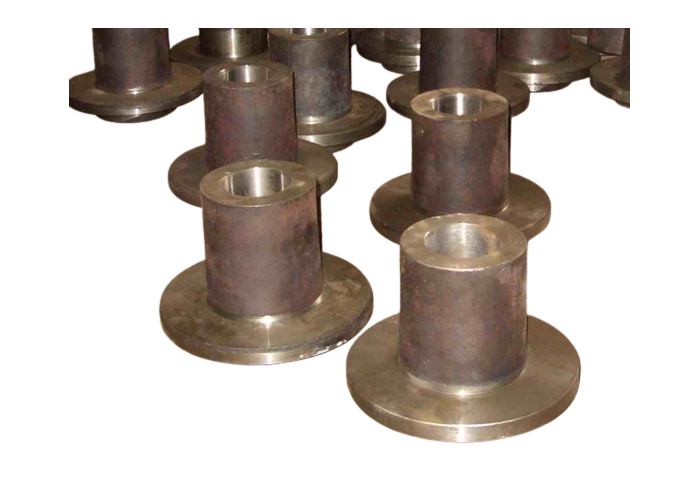
Typical Forging Parts We Supply
We have extensive experience in manufacturing forged components for global customers, including:
- Forged shafts and transmission components
- Forged flanges and pipe fittings
- Automotive forged parts (suspension and connectors)
- High-strength fasteners and bolts
- Custom OEM forged components
These parts are widely used in automotive, machinery, and energy industries, requiring high strength and long service life.
Forged parts often require CNC machining, drilling, threading, heat treatment, surface finishing, and dimensional inspection before final delivery. Explore our custom precision metal parts manufacturing capabilities for complete secondary processing support.
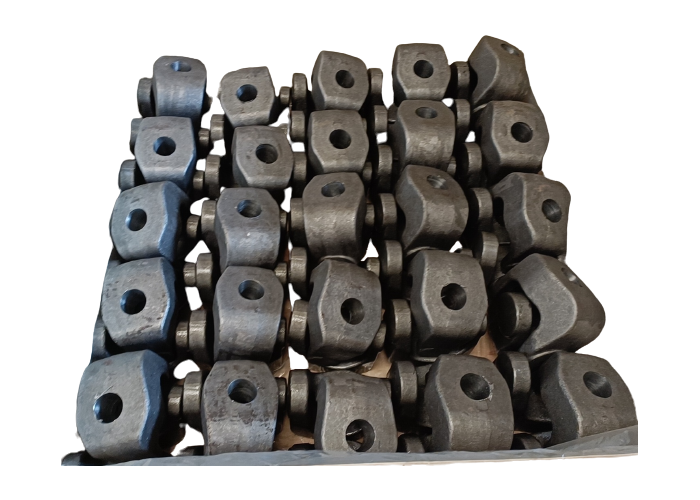


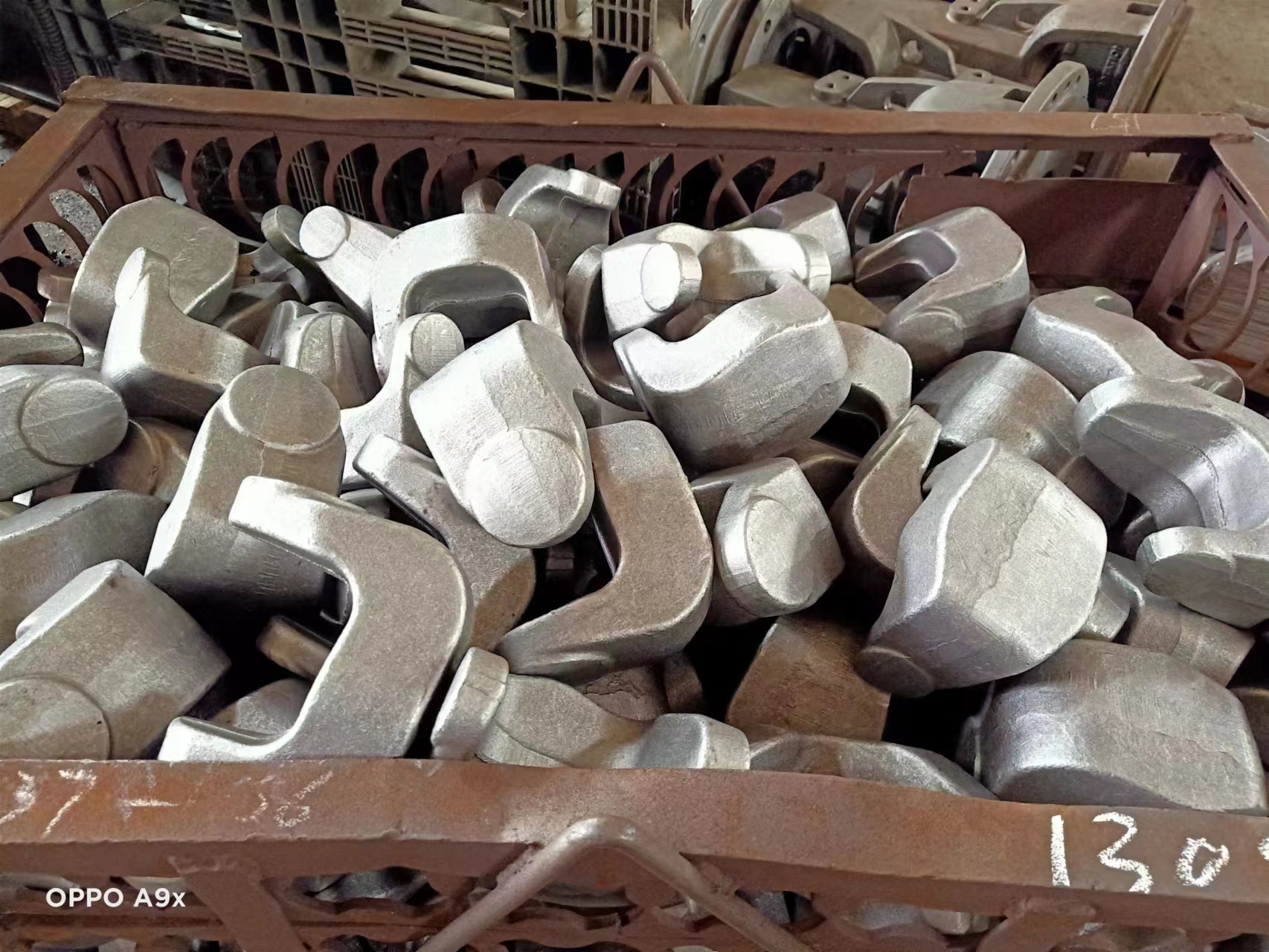
👉 You can also explore our machining capabilities to see how forged parts are further processed into finished components: https://ytcasting.com/cnc-manufacturing-companies/
We have extensive experience in manufacturing forged components for global customers, including automotive and industrial applications.
For example, we have supplied forged components for automotive systems, see our project:
https://ytcasting.com/project/forged-auto-parts/
and also supported custom OEM forging parts production based on drawings, see details here:
https://ytcasting.com/project/custom-forging-parts/
Forging Process and Capabilities
Our forging process typically includes:
- Raw material preparation
- Heating and forging deformation
- Trimming and heat treatment
- Surface finishing and inspection
- CNC machining (if required)

Depending on the part design and application, a project may combine forging with CNC machining, heat treatment, surface treatment, assembly, or other manufacturing processes. View our broader custom industrial parts manufacturing capabilities.
Forging is a manufacturing process where metal is shaped under high pressure, resulting in improved strength and refined grain structure.
Forging vs Casting – How to Choose
Compared to casting, forging is more suitable for parts requiring higher strength and fatigue resistance, while casting is better for producing complex shapes.
👉 If your part requires intricate geometry, you may consider our casting services:
https://www.ytcasting.com/metal-casting-process/
Choosing the right process depends on:
- Strength requirements
- Structural complexity
- Production volume
- Cost considerations
For projects where the best production method is not yet confirmed, review our complete manufacturing processes, including forging, casting, machining, stamping, plastic molding, and extrusion.
Forging vs Casting Comparison
To better understand the differences between forging and casting, here is a quick comparison:
| Feature | Forging | Casting |
|---|---|---|
| Strength | Very high (refined grain structure) | Moderate |
| Fatigue Resistance | Excellent | Lower than forging |
| Structural Complexity | Limited (simpler shapes) | Excellent (complex shapes possible) |
| Surface Finish | Requires machining | Better as-cast surface |
| Material Integrity | No internal porosity | Possible porosity |
| Production Cost | Higher for small batches | Lower for complex parts |
| Typical Applications | Shafts, gears, high-load parts | Valve bodies, housings, complex components |
In general, forging is preferred for high-strength and safety-critical parts, while casting is more suitable for complex shapes and cost-effective production.
Why Choose Us for Forging Parts
- 15+ years experience in exporting industrial metal parts
- Strong supply chain for forging and machining integration
- Flexible production for custom drawings
- Strict quality control and inspection process
- Support for process selection and cost optimization
We focus on long-term cooperation and stable quality, helping customers reduce risk in supply and production.
Request a Quote
If you have drawings or samples, feel free to contact us.
Send us your requirements, and we will recommend the most suitable forging solution with a fast quotation.


