
Introduction
Investment casting and sand casting are two widely used metal casting processes in industrial manufacturing. Both methods can produce complex metal components, but they differ significantly in surface finish, dimensional accuracy, tooling cost, and production efficiency.
Choosing the right casting process is important for engineers and buyers because it directly affects product quality, machining requirements, and overall manufacturing cost.
What Is Investment Casting?
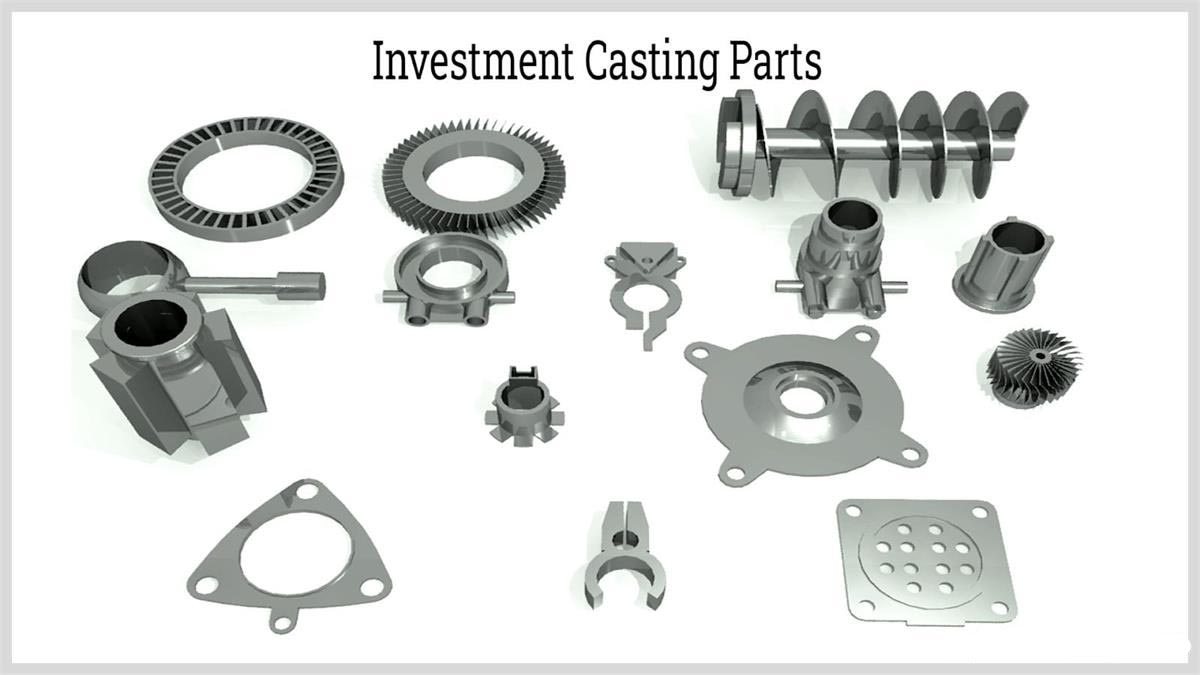
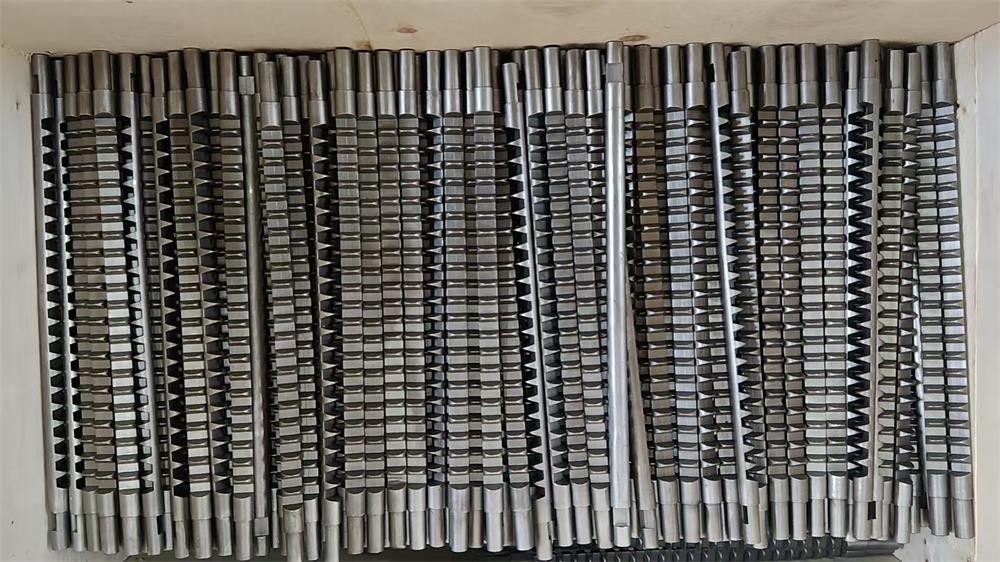
Investment casting, also known as lost wax casting, is a precision manufacturing process (our precision investment casting service)used to produce complex metal parts with excellent surface finish and tight dimensional tolerances.
The process involves creating a wax pattern, building a ceramic shell around the pattern, melting the wax, and pouring molten metal into the mold cavity. After solidification, the ceramic shell is removed to reveal the final casting.
Investment casting is commonly used for producing stainless steel, carbon steel, and alloy steel components in industries such as automotive, marine, pump and valve manufacturing.
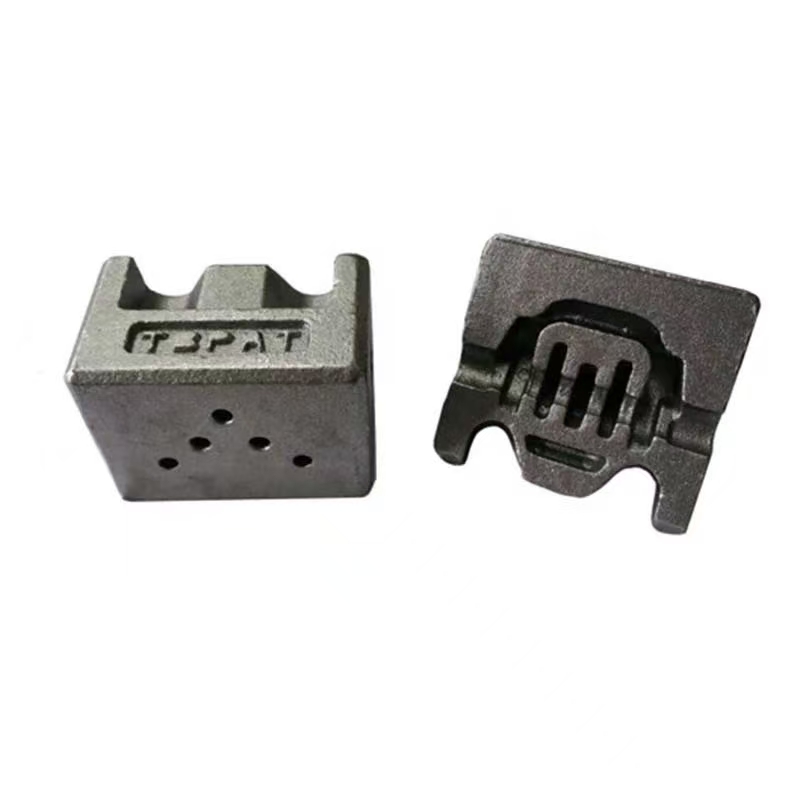
Investment casting uses a ceramic shell mold that accurately reproduces the wax pattern, allowing manufacturers to produce complex geometries with excellent surface finish and tight dimensional tolerances.
What Is Sand Casting?
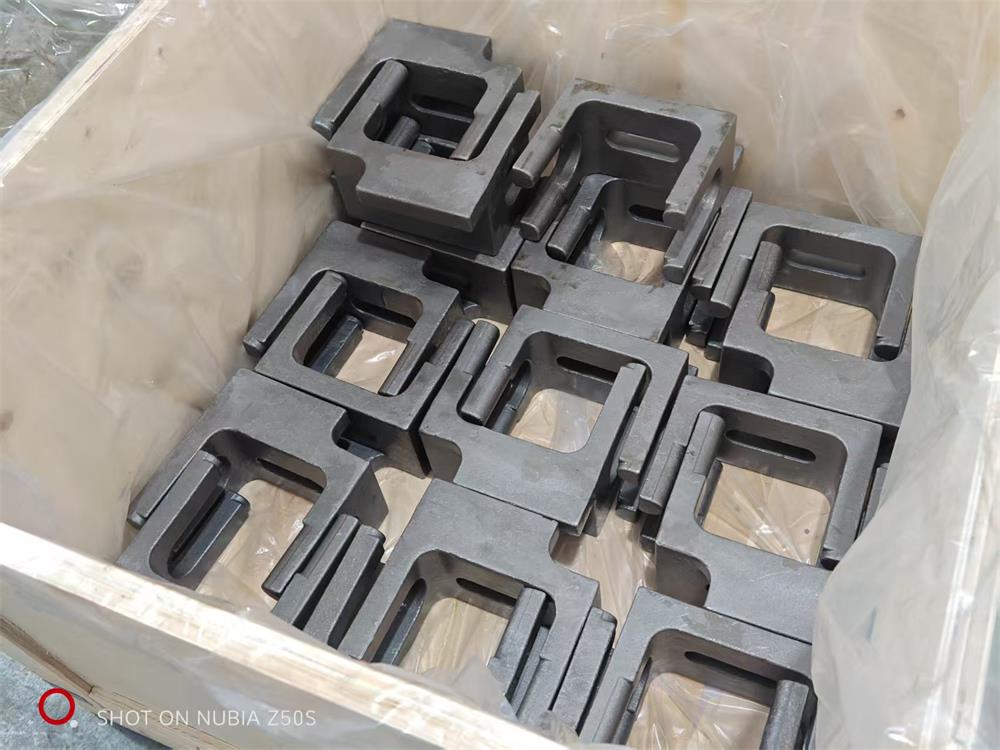
Sand casting is one of the oldest and most widely used metal casting methods. It involves forming a mold cavity in sand and pouring molten metal into the cavity to create the desired shape.
Compared with investment casting, sand casting is more suitable for large components and products that do not require extremely high dimensional precision.
The process is widely used in heavy machinery, construction equipment, and large industrial components.
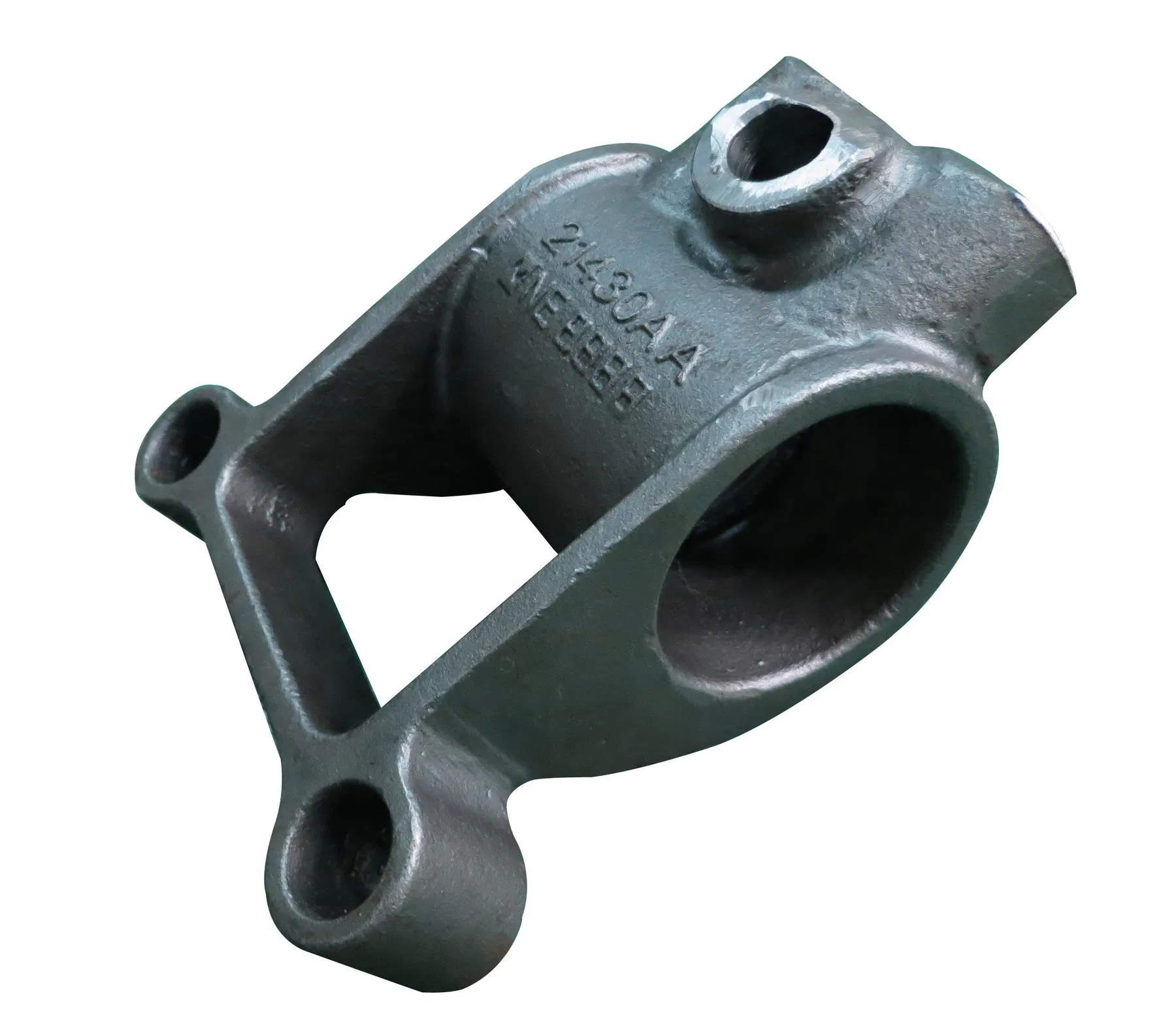
However, sand casting typically produces rougher surfaces and wider dimensional tolerances, which often requires additional machining or finishing operations.
Investment Casting vs Sand Casting: Key Differences
| Factor | Investment Casting | Sand Casting |
|---|---|---|
| Surface Finish | Very smooth | Rough |
| Dimensional Accuracy | High precision | Moderate |
| Tooling Cost | Higher | Lower |
| Part Complexity | Excellent for complex parts | Limited complexity |
| Typical Part Size | Small to medium | Medium to large |
Investment casting is generally preferred for precision components, while sand casting is often used for larger industrial parts.
Cost Comparison
From a cost perspective, sand casting usually has lower tooling and production costs, especially for large components.
Investment casting typically requires higher tooling and shell building costs, but it offers better dimensional accuracy and surface finish, which can significantly reduce machining and finishing operations.
For precision parts and complex geometries, investment casting may actually reduce the overall manufacturing cost despite higher initial production costs.
Although investment casting has higher initial production costs, it often reduces machining and finishing operations, which can lower the total manufacturing cost for complex parts.
Applications of Investment Casting
Investment casting is widely used in industries that require high precision components, including:
- Automotive components
- Marine hardware
- Pump and valve parts
- Machinery components
- Industrial equipment parts
- Aerospace components
Applications of Sand Casting
Sand casting is commonly used for:
- Large machinery components
- Pump housings
- Engine blocks
- Heavy equipment parts
- Industrial structural components
- Heavy machinery
- pump housings
Conclusion
Both investment casting and sand casting are widely used manufacturing processes in metal component production.
Investment casting is ideal for complex parts that require excellent surface finish and tight tolerances, while sand casting provides a cost-effective solution for larger components where ultra-high precision is not required.
Understanding the differences between these two casting methods helps engineers and buyers select the most suitable process for their specific applications.
Looking for a reliable metal casting manufacturer?
We provide custom stainless steel, carbon steel, and alloy steel casting solutions for global industrial clients with strict quality control and competitive pricing.
Contact us today to discuss your casting project.
Related Resources:
Service: precision investment casting service
Project example: stainless steel investment casting parts by slica sol investment casting
Related Articles: