
Silica sol investment casting vs water glass casting is a common comparison when selecting the right precision casting process.
Silica sol investment casting and water glass casting are two widely used investment casting processes for manufacturing precision metal parts. Although both methods belong to lost wax casting, they differ significantly in cost, dimensional accuracy, and surface finish.
Introduction
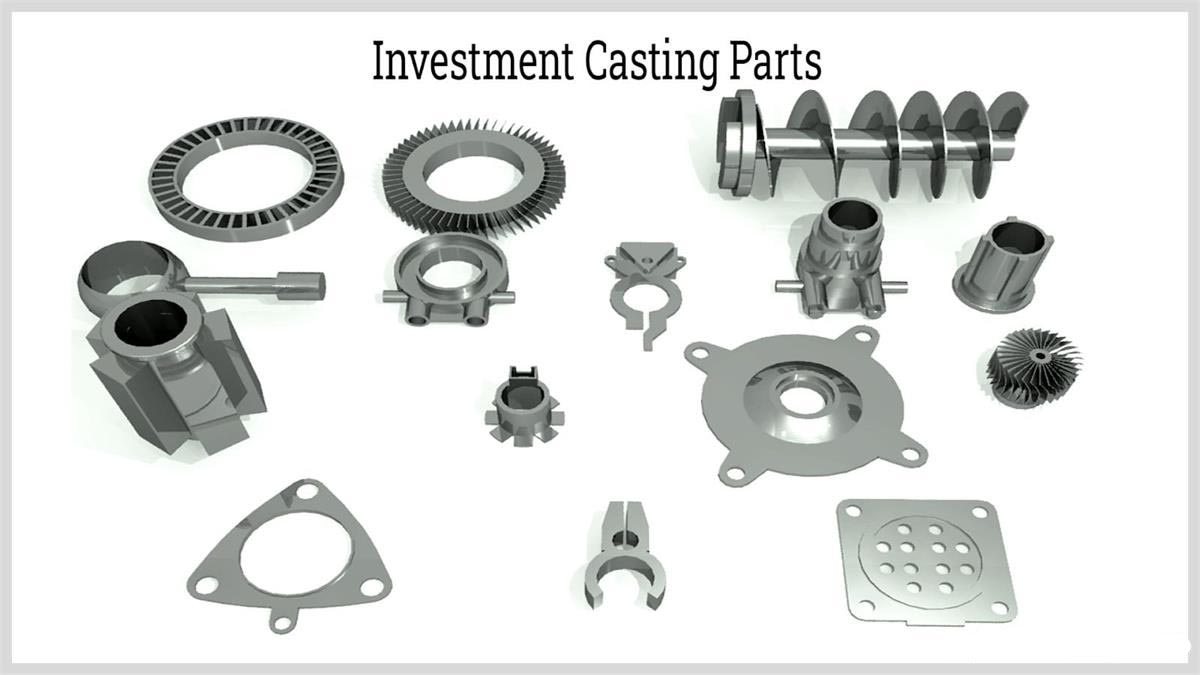
Investment casting is widely used for manufacturing complex metal components with good dimensional accuracy and surface finish.
Two of the most common investment casting processes are silica sol casting and water glass casting. Both methods use wax patterns and ceramic shell molds, but they differ significantly in terms of surface quality, dimensional precision and production cost.
Understanding the differences between these two processes helps engineers and sourcing managers choose the most suitable manufacturing method for their projects.
What is Silica Sol Investment Casting
Silica sol investment casting uses colloidal silica as the binder for the ceramic shell.
This process provides:
- excellent surface finish
- high dimensional accuracy
- good mold strength
Because of these advantages, silica sol casting is widely used for stainless steel precision components and complex industrial parts.
Typical applications include:
- precision machinery parts
- stainless steel industrial components
- automotive components
- pump and valve parts
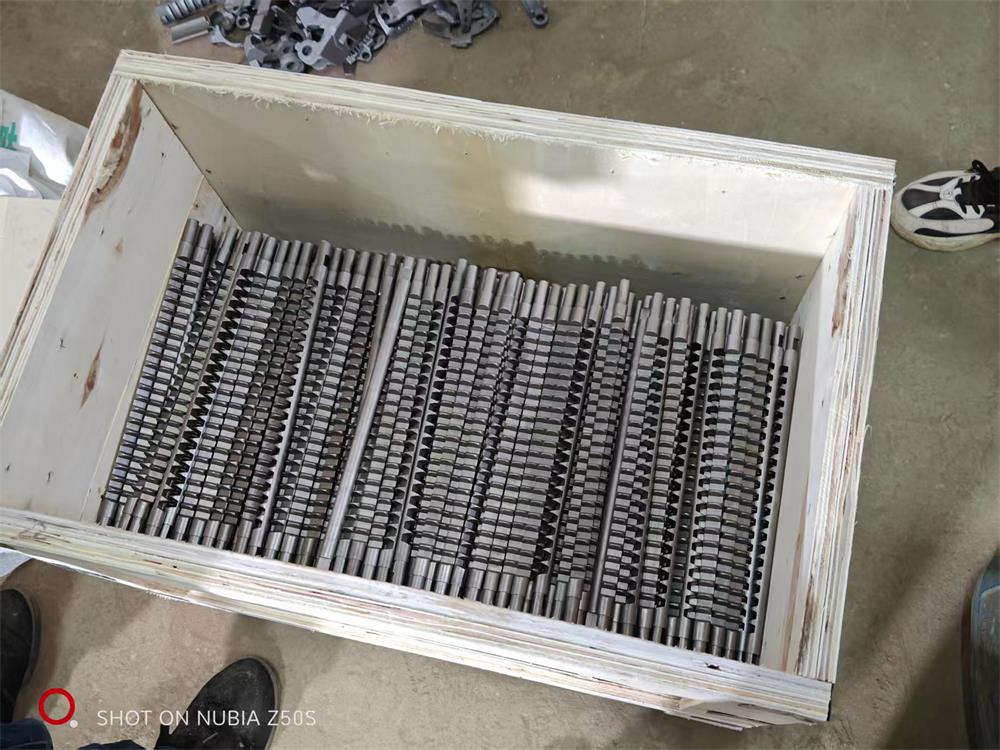
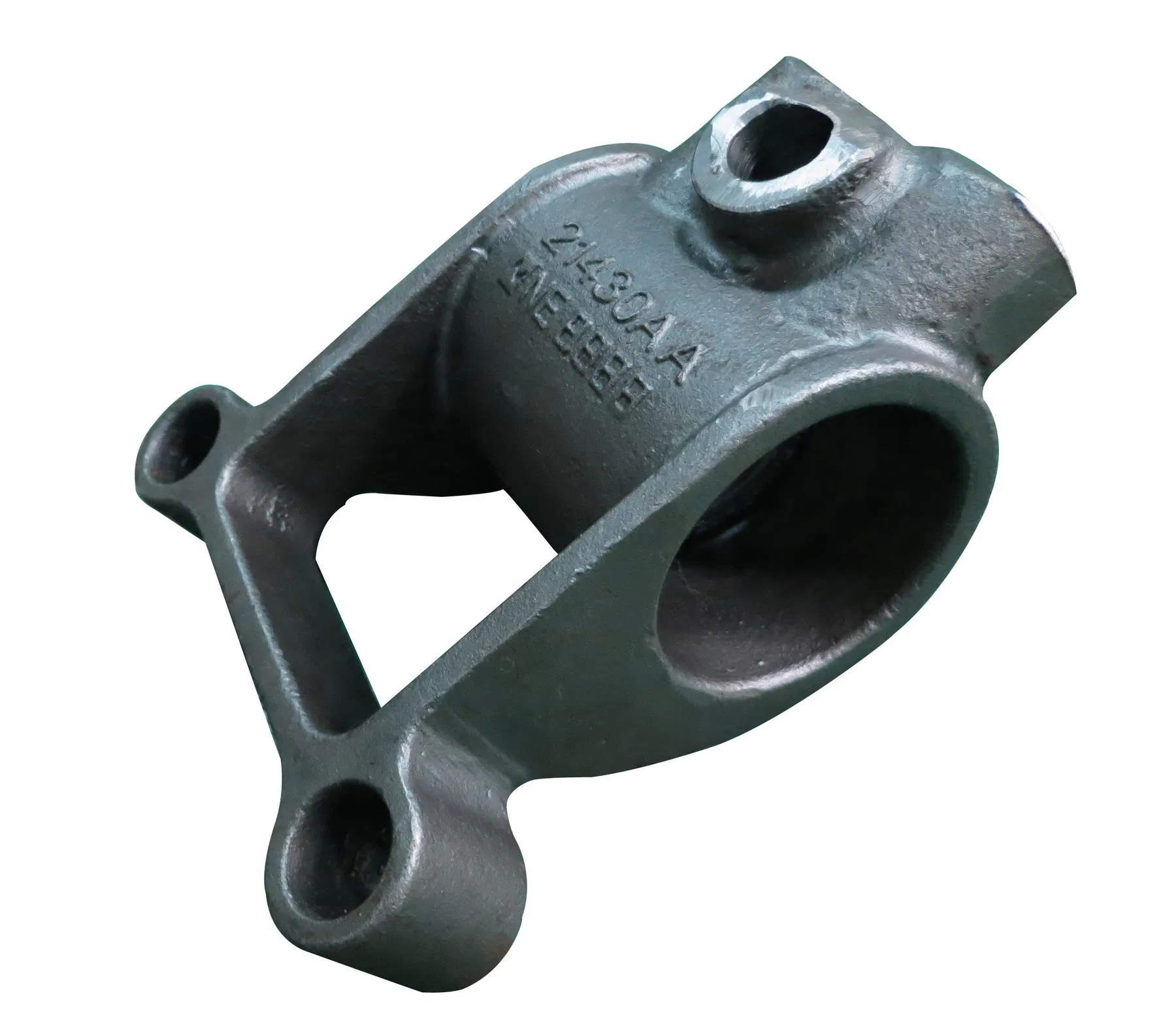
Example project:
What is Water Glass Investment Casting
Water glass casting uses sodium silicate binder to create the ceramic mold shell.
Compared with silica sol casting, this process:
- has lower production cost
- shorter production cycle
- slightly lower dimensional accuracy
It is widely used for carbon steel industrial components and medium precision parts.
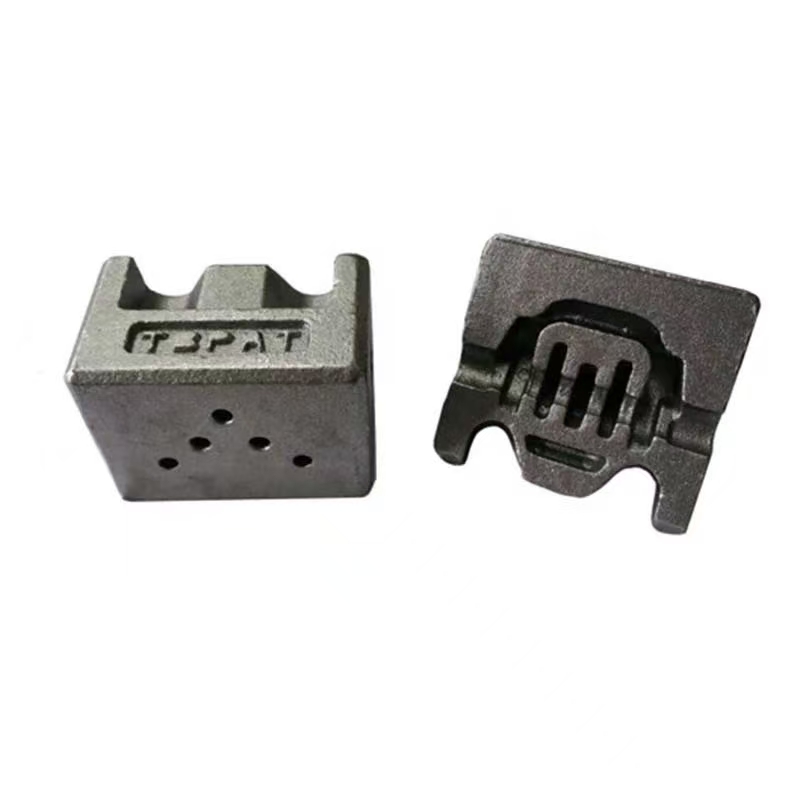
Example project:
Silica Sol vs Water Glass Casting
Both silica sol casting and water glass casting belong to the investment casting process, but they differ significantly in cost, surface finish, and dimensional accuracy.
The main difference between silica sol casting and water glass casting lies in mold materials, surface finish, dimensional accuracy, and production cost.
| Factor | Silica Sol Casting | Water Glass Casting |
|---|---|---|
| Surface Finish | Excellent | Good |
| Dimensional Accuracy | High | Moderate |
| Material | Stainless steel, alloys | Carbon steel mainly |
| Cost | Higher | Lower |
| Typical Use | Precision parts | Medium precision industrial parts |
Silica sol casting produces smoother surfaces and tighter tolerances, making it suitable for precision components, while water glass casting offers a more economical solution for many industrial applications.
Silica sol investment casting can achieve surface roughness around Ra 3.2–6.4 μm, while water glass casting typically ranges around Ra 6.3–12.5 μm.
Silica sol casting can achieve higher dimensional accuracy and smoother surfaces, often requiring less post-machining compared with water glass casting.
In general, silica sol investment casting is ideal for precision parts requiring excellent surface finish and tight tolerances.
Water glass casting is a more economical solution for industrial components where standard precision is acceptable and production cost is a key consideration.
Advantages of Silica Sol Investment Casting
- Higher dimensional accuracy
- Excellent surface finish
- Suitable for stainless steel components
When to Choose Silica Sol Casting
Silica sol casting is ideal when:
- high precision is required
- stainless steel materials are used
- surface quality is important
- parts have complex geometry
Conclusion
Both silica sol casting and water glass casting are widely used investment casting technologies.
The choice between them depends on precision requirements, material type, and cost considerations.
Silica sol casting is typically preferred for stainless steel precision parts, while water glass casting provides a cost-effective solution for many industrial components.
If your project requires tight tolerances, excellent surface finish, and complex geometries, silica sol investment casting is usually the better choice.
For cost-sensitive projects where standard precision is acceptable, water glass investment casting offers a more economical solution.
Need Custom Investment Casting Components?
If you are developing stainless steel or carbon steel casting components, our engineering team can help evaluate your drawings and recommend the most suitable manufacturing process.
Explore more custom casting case studies.